Glass doors built for commercial drink coolers and wine cabinets
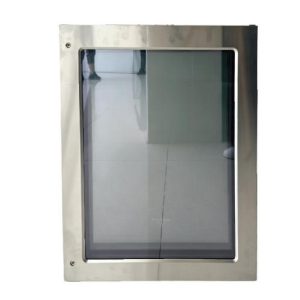
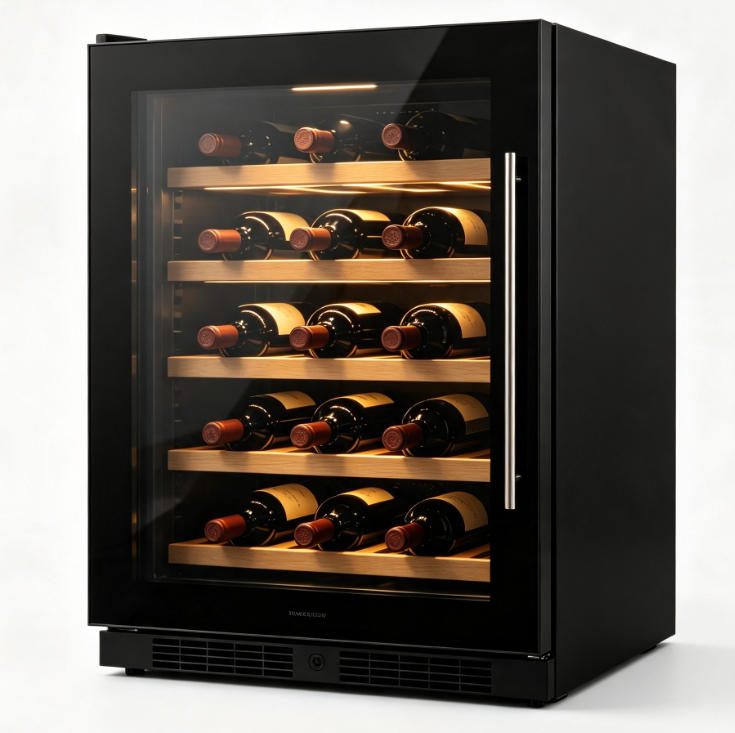
This range is not a household fridge door. It is a high-end commercial glass door set for beverage merchandisers, back-bar bottle coolers, and temperature-controlled wine cabinets. The pack is an insulated glass unit in a slim commercial frame: two or three tempered panes, a warm-edge spacer, and a sealed argon cavity. Cabinet builders use it when the door must sell the product through the glass, hold 0–8 °C for drinks or about 8–14 °C for wine, and still look like a hotel or wine-bar piece rather than a convenience-store cooler.
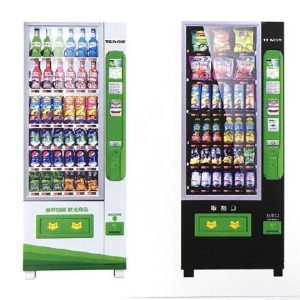
Buyers searching for commercial beverage cooler doors, wine cabinet glass doors, or frameless Low-E cooler doors will specify this category instead of a generic display panel. Pair the door with our insulated glass units and hinges, gaskets, and locks for a complete leaf. For vending and combo machines see vending machine glass doors.
Why a wine cabinet and a drink cooler do not share one cheap pane
A beverage merchandiser runs cold and bright. The door must stop condensation on the shopper side and UV wash-out on labels. A wine cabinet runs milder, darker, and quieter. The door must cut UV (so corks and labels age slowly), hold humidity, and present a black or bronze silk-screen edge that reads as furniture. Both jobs need an insulated insulated glazing unit. A single sheet of shop glass will sweat, drip into the gasket, and force the compressor to cycle. Low-E coating reflects far-infrared heat; argon in the cavity lowers U-value versus air. That is the energy and the optics story in one leaf.
Typical cooler build: 3.2–4 mm tempered Low-E + 12–16 mm spacer (argon) + 3.2–4 mm tempered. Typical freezer or open-kitchen door: triple pane, two cavities. Wine doors often add grey or bronze tint and a black ceramic frit on the step so the frame disappears. Heated glass or a 24–48 V / 220 V heated frame is the humid-climate option when the inner pane would otherwise dew.
Frames, hardware, and the “high-end” line
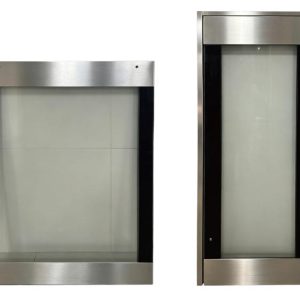
Frames are slim aluminum (black, champagne, stainless cover), PVC thermal-break, or true frameless step-glass with a silk-screen border — the last is what hotel wine walls and premium back bars specify. Hardware is commercial: self-close hinges with 90° hold-open, magnetic anti-condense gasket, lock and key, full-height or recessed handle, optional auto-return. LED can sit in the vertical mullion or the door extrusions so bottles light from the front without heating the glass cavity.
Silk-screen is part of the brand, not a sticker. Black for wine and spirits. Brand red or blue for beverage OEMs. Custom logos fire into the glass. See wine cooler cabinetry: the door is half the product the guest photographs.
Where these doors go
Upright glass-door beverage coolers, supermarket multi-deck ends, convenience reach-ins, hotel minibars and back bars, restaurant wine cabinets, dual-zone wine-and-beverage columns, and OEM wine walls. Swing is left or right; 1-, 2-, and 3-door sets share the same IGU recipe so a line looks consistent on the showroom floor.
Category specifications (typical; confirm on the drawing)
| Item | Specification |
|---|---|
| Product | High-end commercial beverage and wine cabinet glass doors |
| Glass | Tempered IGU, Low-E, optional extra-clear or tinted / UV |
| Cavity | Double pane (cooler / wine) or triple pane (freezer / high humidity) |
| Fill | Air or 90–99% argon; warm-edge spacer |
| Typical makeup | 3.2/4 mm + 12–16 mm + 3.2/4 mm (custom stack on request) |
| Duty | Drink cooler ~0–8 °C; wine cabinet ~8–14 °C; freezer −18 °C class on triple IGU |
| Frame | Aluminum, stainless cover, PVC break, or frameless silk-screen |
| Hardware | Self-close hinge, magnetic gasket, lock, handle, optional heated glass/frame |
| Finish | Black / silver / champagne; brand silk-screen and logo |
| Configuration | Single, double, triple door; LHH / RHH; custom W × H |
| OEM / ODM | Size, frit color, UV, heating voltage, handle, gasket compound |
Send cabinet opening (W × H × rebate), cooler vs wine vs freezer setpoint, humidity, swing, and whether you need heated glass to the engineering desk. We will return a glass makeup, U-value note, and a hinge load check.
How OEM buyers should write the PO
State: insulated glass door for commercial beverage cooler / wine cabinet; Low-E argon IGU; tempered; frame type; silk-screen; heated or not; opening size; quantity as a door set. Do not write “window glass” or “vending single pane.” Those are different SKUs and will fog on a 2 °C merchandiser.
Questions cabinet builders ask
Double or triple pane?
Double pane + argon is the usual drink-cooler and wine-cabinet door. Triple pane when the box is a freezer, or the store is tropical and you refuse heated glass.
Will it fog?
A sealed IGU plus a healthy gasket stops most shop-side dew. Remaining risk is a cold frame in wet air — add a heated frame or heated glass, not a thicker single pane.
Wine UV?
Order tinted or UV-band glass and a darker frit. Clear extra-white glass is for beverage merchandising, not long-term bottle aging.
Can you match our existing cooler?
Yes if you send the opening, hinge type, and a photo of the rebate. We reverse-size the leaf and gasket.
Lead time?
Standard black wine and silver drink doors from a running tool. Custom frit, heated glass, and odd sizes follow a sample leaf and a production slot. Ask for a first-article door before a container.